Car Blocking Your Driveway in Victoria? Who You Can Call, Who Can Move It, and Whether You Can Hire a Tow Truck Yourself
Quick answer
If there’s a car blocking your driveway, rule 198 of the Road Safety Road Rules 2017 says a driver must not stop on or across a driveway unless they are briefly dropping off or picking up passengers (without leaving the car unattended, and for no more than 2 minutes) or are in a permitted parking bay. Councils enforce this with parking fines, and section 63A of the Road Safety Act lets police move, or arrange to move, a vehicle parked in front of a private drive. A resident generally can’t lawfully have someone else’s car towed away and held, and shouldn’t move it themselves. Call your council’s parking team, or the Police Assistance Line on 131 444 if it is urgent or the council can’t help.
This guide is general information about Victorian law and road rules, current at the time of writing. It is not legal advice. Check the linked official sources or get advice for your situation.
Key takeaways
- ✓Rule 198 bans stopping on or across a driveway, except for a quick passenger drop-off or pick-up (up to 2 minutes, car attended) or in a permitted bay.
- ✓The maximum penalty is 3 penalty units, and councils enforce it with parking fines.
- ✓Section 63A of the Road Safety Act lets police move, or arrange to move, a car parked in front of a private driveway.
- ✓A resident generally can’t lawfully have someone else’s car towed and held, and shouldn’t move it themselves.
- ✓Call your council’s parking team first, or the Police Assistance Line on 131 444 if it’s urgent.
You’re running late for work, you walk out to the car and there it is: a stranger’s vehicle parked straight across your driveway. No note, no driver in sight, and no way out. It is one of the most frustrating everyday parking problems in Melbourne’s suburbs, and the obvious solutions, ringing a tow truck or nudging the car out of the way, are exactly the ones that can get you into trouble.
This guide explains what the Victorian road rules say about a car blocking your driveway, who actually has the power to move the car, whether you can hire a tow truck yourself, and the fastest lawful way to get your driveway back.
What the road rules say about blocking a driveway
Rule 198 of the Road Safety Road Rules 2017 is headed “Obstructing access to and from a footpath, driveway etc.”. Subrule (2) says a driver must not stop on or across a driveway or other way of access for vehicles travelling to or from adjacent land unless:
- the driver is dropping off or picking up passengers, does not leave the vehicle unattended, and completes the drop-off or pick-up and drives on as soon as possible, and in any case within 2 minutes, or
- the driver stops in a parking bay and is permitted to stop there under the rules.
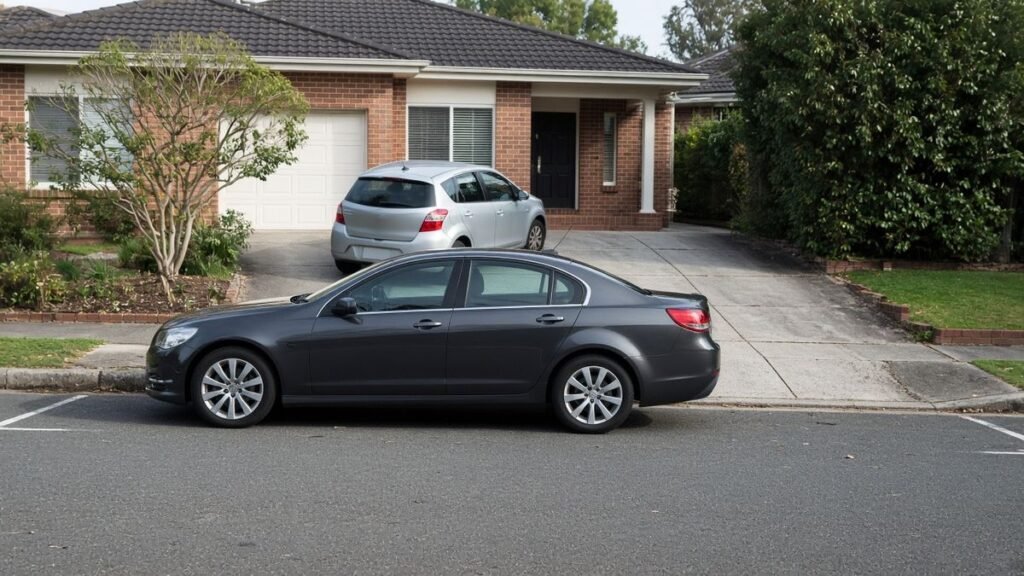
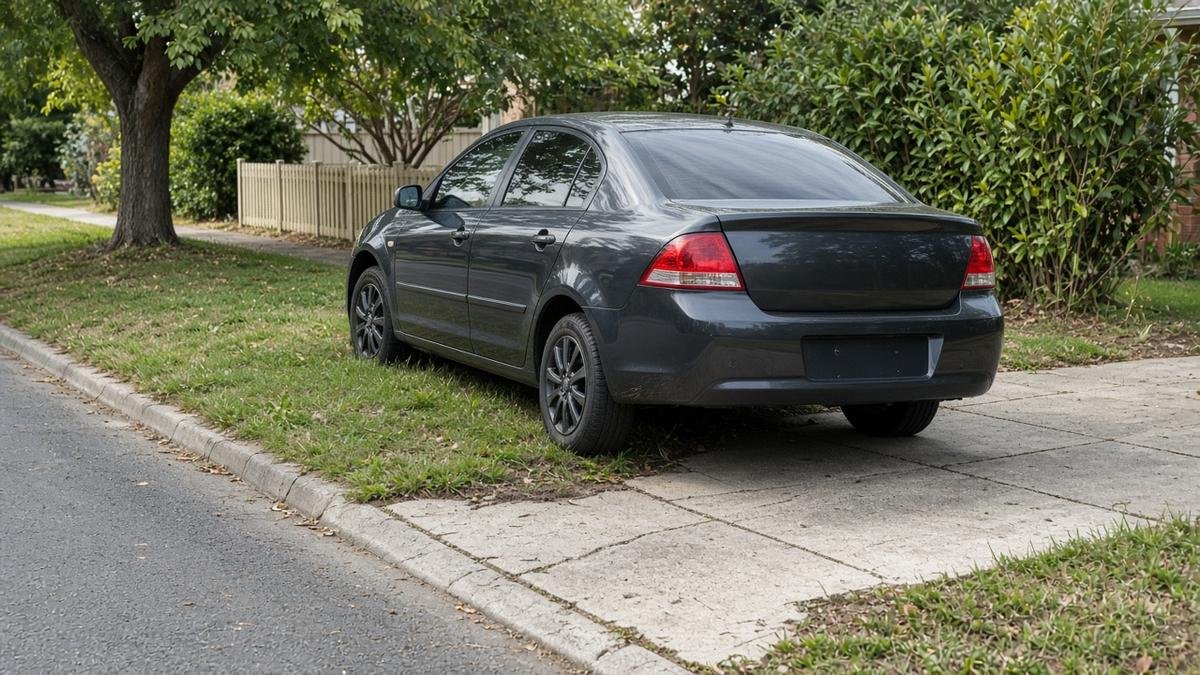
The maximum penalty is 3 penalty units. A note to the rule explains that a driver stops on or across a driveway if any part of the vehicle is on or across it. So a car with its rear bumper hanging over the edge of your driveway is still covered.
Subrule (1) separately covers obstructing access to a footpath ramp, a similar access to a footpath, a bicycle path or a passageway.
It can apply to your own driveway too
Rule 198(2) doesn’t contain an exception for the person who lives at the property. If you park across your own driveway on the street, or let a visitor do it, you may still be in breach. Don’t assume it’s allowed because it’s your house, and check with your council if you’re unsure.
Who can move a car blocking your driveway?
| Who | What they can do | Source |
|---|---|---|
| Council parking officers | Issue a parking infringement for breaching rule 198; some councils, such as the City of Melbourne, also tow and impound vehicles that obstruct access | Road Safety Road Rules rule 198; council websites (practice varies) |
| Victoria Police | Move, or cause to be moved, a vehicle parked in front of or so close to a private drive that it obstructs access; can enter it using reasonable force if necessary and move it to the nearest convenient place; costs can be recovered from the owner | Road Safety Act 1986 s 63A |
| The vehicle’s owner or driver | Move it, or authorise someone else to | General law |
| You, the resident | Report it; you have no general power to tow or move someone else’s car on a public road | Road Safety Act s 70 (tampering) |
| A private tow company you call | No general power to remove a car from a public road at a resident’s request | See below |
The police power in section 63A
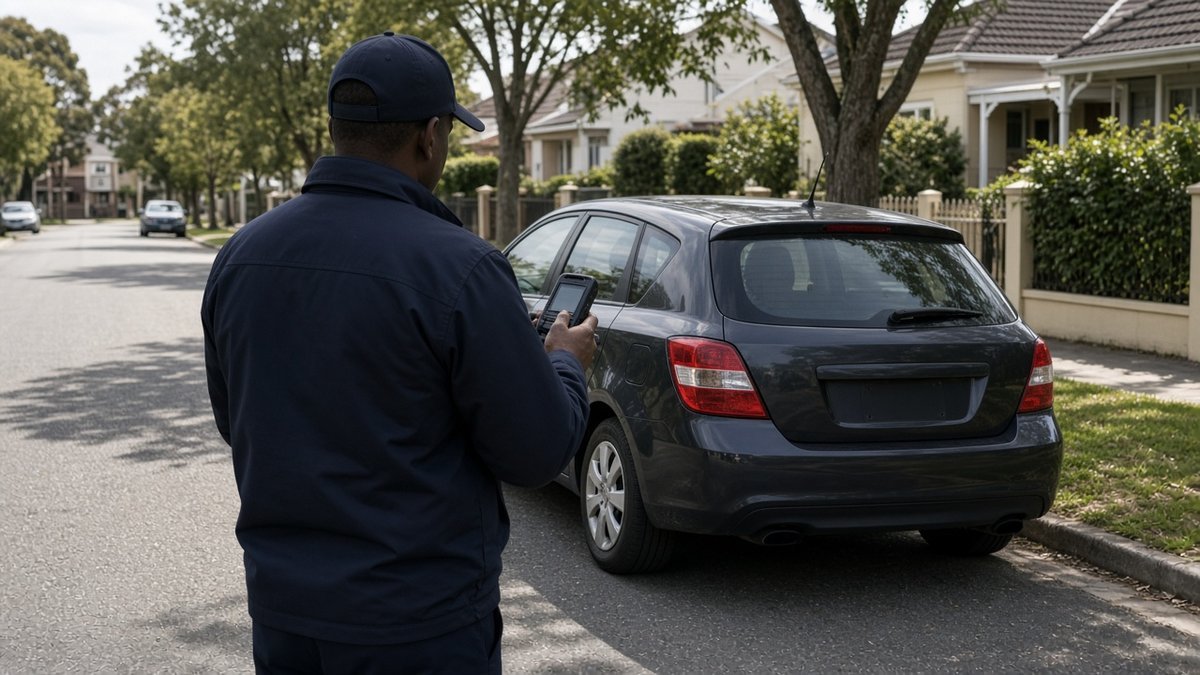
Section 63A of the Road Safety Act 1986 is headed “Removal of vehicles obstructing driveways etc.”. It says a police officer may move, or cause to be moved, a vehicle that is parked or left standing in front of a right-of-way, passage or private drive, or so close to one that it obstructs access to or from it by vehicles or pedestrians. The officer may enter the vehicle, using reasonable force if necessary, and move it to the nearest convenient place. The Chief Commissioner of Police may recover reasonable costs of moving it from the registered operator or an owner.
That is a power, not a promise. Police have to prioritise, and a blocked driveway may not be an urgent job on a busy day. But it is the clearest legal basis for having the car moved quickly when the council can’t attend.
Can I call a tow truck myself?
This is the question people most want answered, and the honest answer is: generally, no.
If the car is on the street, it is on a public road. The road rules are enforced by councils and police, and State road authorities have their own removal powers under the Road Management Act 2004, including for a vehicle obstructing traffic from a driveway. The Road Safety Act gives the driveway-removal power in section 63A to police, not to residents, so a resident has no general power to have a vehicle removed from a public road. A tow operator who removes a car from the street simply because a resident asked would be moving someone else’s property without the owner’s authority, and would expose both themselves and you to risk.
If the car is fully on your private land, for example parked inside your driveway or in your yard, the position is different but not much better for a quick tow. Section 90C of the Road Safety Act prohibits anyone other than police, the sheriff or someone executing a warrant, certain authorised persons, or someone authorised by the vehicle’s owner or driver from detaining or immobilising a vehicle parked on most private land. Victoria Legal Aid’s LawHub describes a limited “self-help” right to move a vehicle a reasonable distance, at your own risk of liability for damage, but that is very different from having it towed to a yard. If a car on your property appears stolen or has been dumped there, contact Victoria Police.
Our view as a towing business is simple: a legitimate tow operator should be asking who authorised the job before moving any vehicle. If an operator offers to remove a stranger’s car from the street for you, treat that as a warning sign, not a solution. Our article on towing scams in Australia covers other red flags.
Why moving it yourself is a bad idea
Section 70 of the Road Safety Act makes it an offence to tamper or interfere with someone else’s motor vehicle without just cause or excuse. Pushing a car, letting off its handbrake or using your own vehicle to shove it out of the way also risks damage you could be liable for, and creates the potential for a confrontation if the owner returns.
Step by step: getting your driveway back
- Check for a nearby driver. If someone is dropping off or picking up, they may be gone within two minutes, which the rule allows. A friendly word with neighbours or nearby businesses often finds the owner fastest.
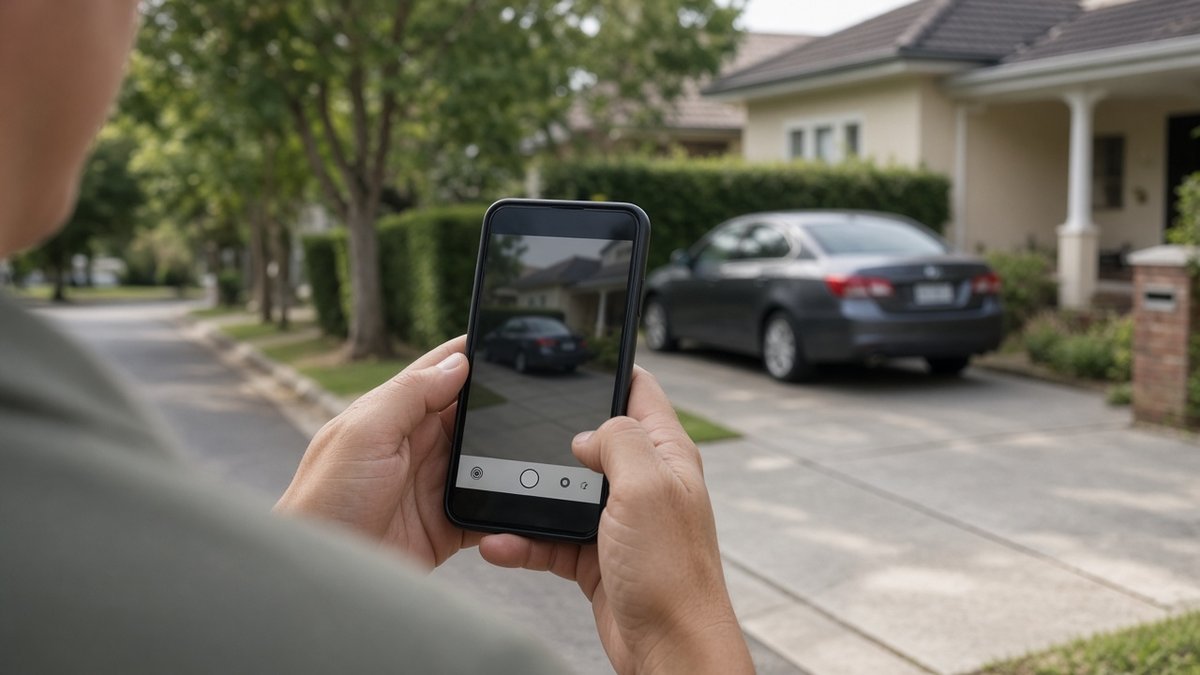
- Take photos. Capture the car, its number plate and how it blocks the driveway, with a timestamp.
- Call your council’s parking or local laws line. Most councils have a number for parking complaints. The City of Melbourne, for example, asks people to call 9658 9658 when access is completely blocked, and to contact Victoria Police after hours. Ask whether an officer can attend and whether they tow obstructing vehicles.
- If it’s urgent or the council can’t help, call police. Use the Police Assistance Line on 131 444 and explain that a vehicle is obstructing your private drive. In an emergency, for example if an ambulance can’t get to your house, call Triple Zero (000).
- Don’t touch the car. Wait for the council or police.
- If it keeps happening, ask your council about line marking, “no stopping” signs or other measures, and keep a log of dates and times.
What to tell the council or police
A clear, short report helps whoever takes the call decide how quickly to respond. Have these details ready:
- your exact address and the nearest cross street
- the vehicle’s make, colour and number plate
- how long it has been there and whether anyone is with it
- whether access is completely blocked or only partly obstructed
- whether anything urgent depends on getting out, such as a medical appointment, a carer’s visit or a work vehicle
- that you have photos, if you have taken them
Stay calm and factual. If the owner turns up while you are waiting, a polite request to move is usually all it takes, and you can let the council or police know the problem has been resolved.
Common situations
| Situation | Usual first step |
|---|---|
| Stranger’s car across your driveway on the street | Council parking line; police on 131 444 if urgent |
| Car partly across your driveway, bumper overhanging | Same as above; “any part” of the car counts under rule 198 |
| Delivery van stopped across your driveway, driver unloading next door | Wait a few minutes or ask the driver; if it persists, council |
| Car parked inside your driveway on your land without permission | Try to find the owner; contact police if it isn’t moved |
| Car dumped on your property for days | Victoria Police, if it appears stolen or dumped |
| Laneway or right-of-way blocked | Council or police; s 63A also covers rights-of-way and passages |
| Your own car or a visitor’s across your driveway | Move it; rule 198 has no exception for residents |
Related rules that often come up at the same time
A car blocking a driveway is often breaking more than one rule, and knowing the related rules helps when you describe the problem to the council.
| Rule | What it covers | Maximum penalty |
|---|---|---|
| 198(1) | Stopping in a position that obstructs a footpath ramp or similar access to a footpath, a bicycle path or a passageway | 3 penalty units |
| 198(2) | Stopping on or across a driveway or other vehicle access to adjacent land | 3 penalty units |
| 197(1) | Stopping on a footpath, shared path, bicycle path, dividing strip, or a nature strip in a built-up area, unless a parking control sign permits it (with limited other exceptions) | 3 penalty units |
Rule 197 is relevant because cars that block driveways are often half up on the nature strip or footpath as well. At the 2026-27 penalty unit value of $209.10, 3 penalty units is a court maximum of $627.30; parking infringements are issued at lower set amounts by councils.
When it keeps happening
Repeated driveway blocking usually has a cause: a busy café nearby, a school drop-off zone, a narrow street with too few spaces, or a driveway that is hard to see because the kerb isn’t clearly marked. Councils can sometimes help with line marking or signage, and a polite conversation with a nearby business owner can fix a problem faster than repeated complaints. Keep a simple log with dates, times, registration numbers and photos. It helps the council decide whether a pattern justifies regular patrols or a change to the street.
Blocking someone in on a private driveway
A related question comes up in shared driveways, battle-axe blocks and apartment car parks: can someone block another car in? Rule 198 is about stopping on a road across a driveway. Disputes inside private property, such as shared driveways, are more often a matter of property rights, owners corporation rules and neighbourly negotiation. Blocking a car in so its owner can’t leave may also raise the private-land detention issue under section 90C. If a dispute can’t be resolved, the Dispute Settlement Centre of Victoria, your owners corporation or legal advice are better options than a tow truck.
Common mistakes
- Calling a private tow company to remove a car from the street.
- Pushing or nudging the car with your own vehicle.
- Leaving abusive notes, which can escalate a simple parking problem.
- Assuming a car that is only partly across the driveway isn’t breaking the rule.
- Not keeping photos or a log when the problem keeps recurring.
The bottom line
A car blocking your driveway is breaking a clear road rule, but the remedy lies with your council and Victoria Police, not with a private tow truck. Photograph it, call the council, and call police on 131 444 if it’s urgent. Leave the car itself alone.
Need a hand with your car?
Where CheapTow can help is with your own vehicle: if your car won’t start in the driveway or needs moving to a mechanic, our breakdown support and car towing services operate 24/7 across Melbourne. Get a quote before we’re dispatched.
Frequently asked questions
Quick answers to common questions about this topic.
Is it illegal to park across a driveway in Victoria?
Yes, under rule 198(2), unless you are briefly dropping off or picking up passengers without leaving the car unattended and within 2 minutes, or you are in a permitted parking bay. The maximum penalty is 3 penalty units.
Can I park across my own driveway?
Rule 198(2) has no exception for residents, so you could still be fined. Check with your council rather than assuming it’s allowed.
Who do I call when a car is blocking my driveway?
If there’s a car blocking your driveway, call your local council’s parking team first. If it’s urgent or the council can’t attend, call the Police Assistance Line on 131 444. In an emergency, call 000.
Can I get a car towed from in front of my house?
Not by hiring a tow truck yourself. Councils and police have the powers to deal with it. Police can move a car obstructing a private drive under section 63A of the Road Safety Act.
How long can someone stop across my driveway?
Only long enough to drop off or pick up passengers, without leaving the vehicle unattended, and no more than 2 minutes.
Will the council tow the car away?
It depends on the council and the situation. The City of Melbourne, for example, says it may tow and impound a vehicle that obstructs access, such as one parked on or across a driveway or laneway, although it also says its towing powers are limited and not every report leads to a fine. Other councils have their own approach, so ask when you call. If the council can’t move the car and you can’t get out, police can act under section 63A, and they can recover reasonable costs from the vehicle’s owner.
This guide is general information about Victorian law and road rules, current at the time of writing. It is not legal advice. Check the linked official sources or get advice for your situation.