 Skip to content
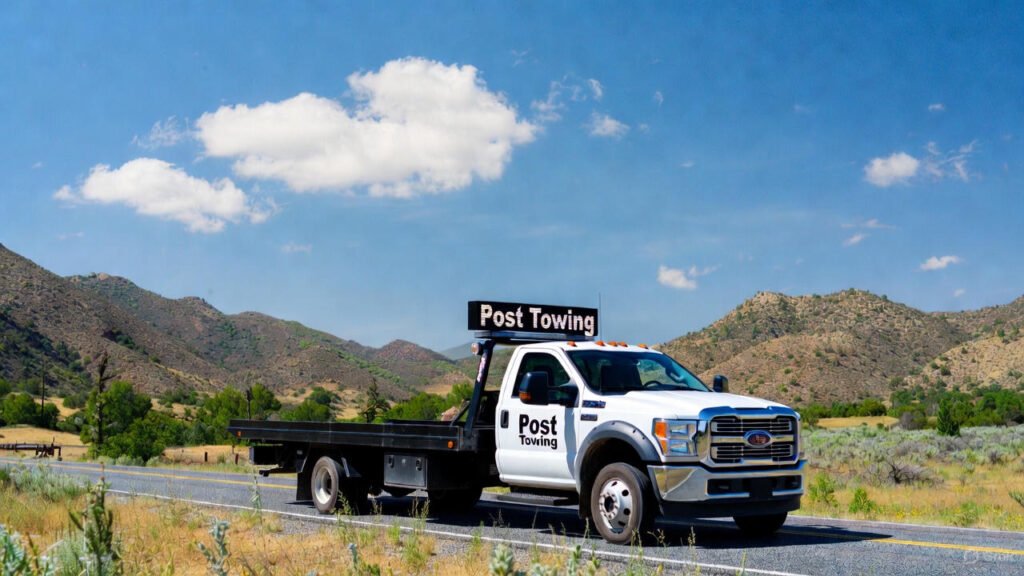
Having your car towed is not an enjoyable experience, and it might be frustrating for many who don’t have knowledge of what to do next. Whenever a breakdown or accident happens, the driver must know the checklist to follow after their car is being towed.
After getting towed, every driver must essentially know what exactly is needed next. Abiding by the post towing steps will ensure your car is protected, your cost is covered, and any potential damage is documented carefully.
This blog serves as a guide to a step-by-step post-towing checklist so a driver can handle a situation responsibly with confidence by avoiding any scams or common mistakes.
Step-by-step post-towing checklist, combining expert advice and insights to protect your vehicle, manage costs, and get back on the road after a breakdown.
Step 1: Tow Confirmation and Vehicle Location
Confirm if your vehicle was actually towed, not stolen, relocated, or mistakenly reported as missing. This will prevent unnecessary stress and panic situations.
Here’s what to do:
- Seek help through local law enforcement authorities or contact your city’s towing information helpline. Many regions, including Victoria, South Wales, have online databases to find out if your car was impounded or not.
- In case of a roadside accident or breakdown, call your local roadside assistance service or the dispatch Centre that towed it.
- If your car was parked in a private lot, then contact the management or security of that area.
Gather the essential details:
- Name and location where the car was towed
- Name and contact information of the towing company that removed the vehicle
- Time and date of the tow
- Reason for the damage and removal. Is it an accident or an abandoned car?
By following the right steps, a driver can avoid confusion and stress on the roadside.
Step 2. Documentation
The most important step is to document everything carefully, especially when towing fees accumulate daily or if an insurance claim is involved. Thorough documentation ensures the procedure is transparent and helps prevent stress regarding incorrect or illegal charges.
Documents include:
- Carefully record and collect photos of the tow location, surrounding signs and damage
- Who reported the incident: police or onsite personnel
- Violation observed or parking citations, if applicable
- Keep the receipts or invoices that show a proper fee breakdown
Pro Tip: Document everything digitally by taking snaps of the procedure and documenting for backup, including details like the tow truck’s license plate or driver’s name and contact information.
Step: 3 Inspect Your Vehicle for Damage
Vehicle inspection is the first thing you should do after your car is towed. As the companies handle thousands of vehicles each month, and while most are professional, damage may still occur during loading or transporting a car.
Go for a complete vehicle check-up or a thorough visual inspection when you retrieve your car.
What to look for during inspection?
- Exterior Damage to the Car, including the scratches, dents, or scuffs on the body.
- Inspect the underbody for signs of scraping or oil leaks.
- Check for alignment or tyre issues, like if the wheels seem off-balance or your steering feels unusual after towing?
- Check if the interior is fit and fine, and no personal items are missing or misplaced
Pro Tip:
Take before and after photos of your vehicle. Later, if you notice any damage or scratches inflicted on the car, report it immediately to the towing company before signing any documents or receipts. This documentation will help the driver to claim insurance or file a damage complaint in a timely manner.
Step 4: Understand the Drop-Off Location, Costs, and Next Steps
Understand the drop-off location and cost
- Having your car towed is followed by how quickly you locate your towed vehicle. Finding the right location needs a few basic steps, so you aren’t left wandering.
- Find out who to call after the car is towed. Look for the local authorities, municipal police, and private towing companies that often operate different tow lots. In Australia and anywhere in the world, you can check online databases such as the official towed vehicle pages to get exact information.
- Check that your car was actually towed rather than just relocated within a complex parking lot.
- Use your vehicle information and license plate handy while contacting the authorities or browsing online databases.
- Visit the impound lot as soon as possible, as you might face inflated costs or fees that add up for longer stays.
Pro Tip: Have a GPS tracker for vehicles, especially if you park in busy or heavy areas.
Also read: The Hidden Car Problems That Can Cause Sudden Breakdowns
Step 5: If the Destination Is a Repair Shop Look For
If the vehicle is towed directly to the repair shop or moved to a nearby mechanic shop, consider a few essential points. Take time to ensure that your vehicle is in safe hands and will be towed as per the commitment.
What to do?
- Confirm the shop’s location, contact and name of the owner. Also, ensure the credentials (licensed, reputable mechanic).
- Request a written cost estimate (all the charges). Get an estimate breakdown on labor cost, parts, and timeline before the repair starts.
- Understand the cause of the breakdown and what type of tow it required.
- Stay informed and ask for updates regarding the progress and potential cost changes.
Step 6: Understand the Scope of Your Exposure
Once your car is located and undergoes documentation, assess what things are at stake financially and operationally. Identifying potential exposures helps cut down on costs significantly.
Common risks include:
Cargo Claims: Are there any essential items or tools in the vehicle that may be damaged or lost?
General Liability: Find out if the tow resulted from an accident or breakdown, causing third-party injury
Hidden or storage fees: Fees that add up due to delays in release
Legal Exposure: If towing laws and regulations weren’t followed
Understanding your exposure helps prevent any unnecessary claims and will help the driver coordinate with the insurer or legal advisor more effectively.
Step 7: File the Apt Claims
Once you have completed all the documents, reassured the exposure, and initiated your insurance or reimbursement claim.
Depending on your situation, your claim covers:
- Recovery and Towing costs
- Administrative and Storage expenses
- Physical damage
- Loss or damage of any transported tools or goods
Your claims specialist or insurance will help determine which policies to apply and what evidence is needed.
Step 8: Take Preventive Actions After the Tow
Once your car is towed, don’t just settle down, confirm and focus on preventive measures needed again anytime in future.
Common causes and fixes:
Battery Replacement/ Jumper Cables: In case of battery failure, replace old batteries every 3-5 years and keep jumper cables handy.
Engine or transmission failure: Inspect for any leaks and regularly service fluids.
Monitor Tyre Pressure: Replace worn-out tyres timely and regularly.
Accidents: Drive cautiously, maintain safe distances, and stay alert.
Regular maintenance and routine car check-ups are important. And keep the emergency contact list in your glovebox to prevent costly breakdowns in the future.
Choosing the Right Towing Service
When choosing a towing company, people choose the most reliable ones operational 24/7, providing quick and safe services. However, some advertise arrival time within 30 minutes, yet going through the customer reviews gives you the best understanding of how reliable and authentic the services a particular company promises. Transparent pricing with no extra cost is another essential factor before choosing a tow service.
Also read: How CheapTow.au Gets to You Fast: Behind the Scenes of Our 24/7 Service
About Cheap Tow
Cheap Tow has a simple mission to make towing services affordable, accessible and stress-free for your car. As a trusted towing and roadside assistance across Melbourne and Victoria, Cheap Tow specializes in emergency towing, vehicle safety and ensures customers’ peace of mind. Cheap Tow’s professional 24-hour and 7-day-a-week assistance makes the difference in getting you and your vehicle back on the track.
Cheap Tow prioritizes customer satisfaction, affordability and safety by handling the situation with utmost care. A team of experienced professionals provide efficient and damage-free service every time. For more details and assistance, call us at: +61 470 320 481 or 24/7 Towing Helpline: 0470 320 481 serving Victoria and interstate
